

Full-Stack developer
This is because, in today’s completely digital world, the demand for developers has been reaching an all-time high, mostly among those who possess the right skills in software development.
Among the fantastically huge number of specialties, probably one of the most demanded skills is knowledge of the web application from both sides—full-stack development. This means that developers may handle a project in all layers of web application architecture. That’s it.
Here, we will provide you with a very step-by-step guide on how to become a full-stack developer and some valuable tips about when to make the transition into freelancing work once you acquire the set of skills.
What is a Full-Stack Developer?
Full-Stack developers understand client-side and server-side technologies, so they are efficiently skilled in developing fully web-based applications.
Headline Points
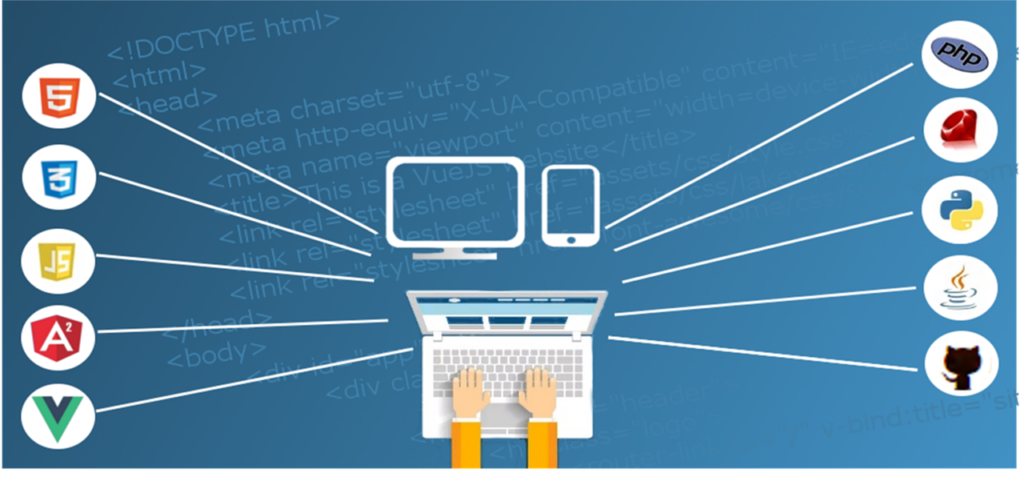
1. Technologies of Front-end: HTML, CSS, JavaScript, front-end frameworks; be it React, Angular, or Vue.js
2. Server-side technologies: Node.js, Python, Ruby, PHP languages, a database management system like MongoDB, PostgreSQL, MySQL
3. Version control system: Useful tools: Git
4. DevOps basics: knowledge of the deployment process and server management.
5. API integration: restful services and JSON.
Also Read: Tech for Seniors
Steps to Become a Full-Stack Developer
Step 1: Learn the Basics of Web Development
1.1 Understand the Basic
Begin with some classes on web development. That is, it begins with an explanation of what the internet is and how web pages work from the point of view of client-server architecture. I would place knowledge about HTML, CSS, and JavaScript as the first milestone.
1.2 Resources to use
Books
There are also many great books to learn from for beginners. To be specific, some of the best books include “Hacking skills with HTML/CSS/JavaScript,” by Jon Duckett, “HTML and CSS: Design and Build Websites,” by Jon Duckett, “JavaScript and DOM scripting,” by John Resig, and many more.
Sort through these other books like Jon Duckett’s “HTML & CSS: Design and Build Websites” and Douglas Crockford’s “JavaScript: The Good Parts,” which will essentially form a base.
Step 2: Master front-end development.
Step 2.1 HTML & CSS
HTML5 and CSS3: Know in depth. learn how to structure and style web pages.
2.2 JavaScript
Important for any interactive web application, know base concepts as well as modern ES6 features including asynchronous programming using Promises and async/await.
2.3 JavaScript Frameworks
Know front-end frameworks, among them:
-React: Popular JavaScript library for building UI in applications.
-Angular: The powerful and robust framework taken care of by Google through which you can develop a single-page application.
– Vue.js: The progressive framework to build user interfaces.
Note: If you only want to become a front-end developer, then you can skip step 3 and jump on step 4. But to become a full-stack developer then continue to step 3.
Step 3: Learn Back-End Development
3.1 Choose a Server-Side Language
You must select a server-side language, like Node.js, Python, or Ruby. It has now become one of the most popular choices for full-stack development because it applies JavaScript on both the front and the back sides.
3.2 Working with Databases
Understand working with databases, SQL (MySQL, PostgreSQL), and NoSQL (MongoDB). Know the basics of CRUD – Create, Read, Update, and Delete operations.
3.3 RESTful APIs Design
Learn about design principles behind a RESTful API design and learn to design APIs that will make it possible for communication between client and server.

Also Read: AI Revolution: Humanization of the World
Step 4: Jump into Version Control and DevOps Basics
4.1 Git and GitHub
Learn how to work with various versioning systems by using Git, how to set up the repositories, how to branch and merge, etc.
4.2 Deployment Techniques
Deploy an application on Heroku, AWS, or Azure. Learn the very basic concepts of server management and some basic shell commands.
Step 5: Initial Start
Start working on small projects where you will be applying everything that you have learned. Then from a static website, step by step toward dynamic web applications.
5.1 Open-Source Contribution
Open-source projects on GitHub. Thus, you will enhance your competencies, but also portfolio
5.2 Portfolio
Create a personal site and place your projects there. Public information about your skills, technologies used, and links to your GitHub repositories.
Step 6: Connection and Networking
6.1 Communities and Communication
In addition to open-source communities around online forums or discussion groups, there are many professional full-stack developer communities Spolsky’s Stack Overflow, and Notion, in almost every language; similarly, there are many open-source communities based on online forums or discussion groups.
Join online forums, webinars, and local meetups or hackathons. Tools like Stack Overflow and GitHub help you post questions and get into discussions nicely.
6.2 LinkedIn and Social Media
You should create and use a LinkedIn profile. You could become a follower of the tech influencers and some communities whose interests would tend to attract you.
Also Read: Top 5 Upcoming Technologies
Move to Freelance Work
Step 1: Establishing Your Brand
1.1 Identify Your Niche
Identify what areas of full-stack development you want to work on the most and create a brand around that.
1.2 Building an Online Profile
Your portfolio website is not something that can be done once. Use online profiles related to the expertise area that you have specialized in, such as posting projects, insights, or connecting with clients.
Step 2: Freelancing on a Small Scale
2.1 Freelance Platforms
Upwork, Freelancer, and Toptal are some of the platforms you can start registering with. Be sure to customize your profile and detail all the skills of full-stack developers you have.
2.2 Project Bids
Start by putting in bids on small-scale projects that will help you build a name gradually. With experience and building up, you can step forward in terms of project complexity and scale.
Step 3: Networking and Getting Clients
3.1 Leverage Your Network3.1 Leverage Your Network
Reach out to your friends, family, or previous contacts who may require web development services.
3.2 Referrals
Let satisfied clients talk about you. Word of mouth is a beautiful marketing tool.
Step 4: Continuous Learning and Improvement
4.1 Update
The world of technology changes every day. Therefore, get updated on the latest technologies and trends in full-stack development.
4.2 Collect Feedback
Always look to benefit from the clients as well as peers. Always make use of any criticism given constructively towards your skills and work.
Conclusion
Becoming a full-stack developer is indeed a very rewarding affair, because it opens the door for a whole heap of career opportunities in freelancing, too. Making use of the steps laid out in this tutorial will allow you to acquire quite a solid foundation, to be able to gain some great experience, and eventually end up rising into being quite the skilled freelancer in web development.
Keep your curiosity and persistence sharp, and always passionate about learning – that is the key to your success in this industry of rapid change. Happy coding!
Also Read: Mental Health: A Transformative Journey to Vibrant Wellness